An eight-week, peer-led recovery program with Debra King. A small room. Honest conversation. The practical language of staying sober — daytimers, boundaries, phone calls, quality over quantity.
A note from Debra King — not a brochure, not a script. Read it once. Read it twice if the second paragraph rings a bell.
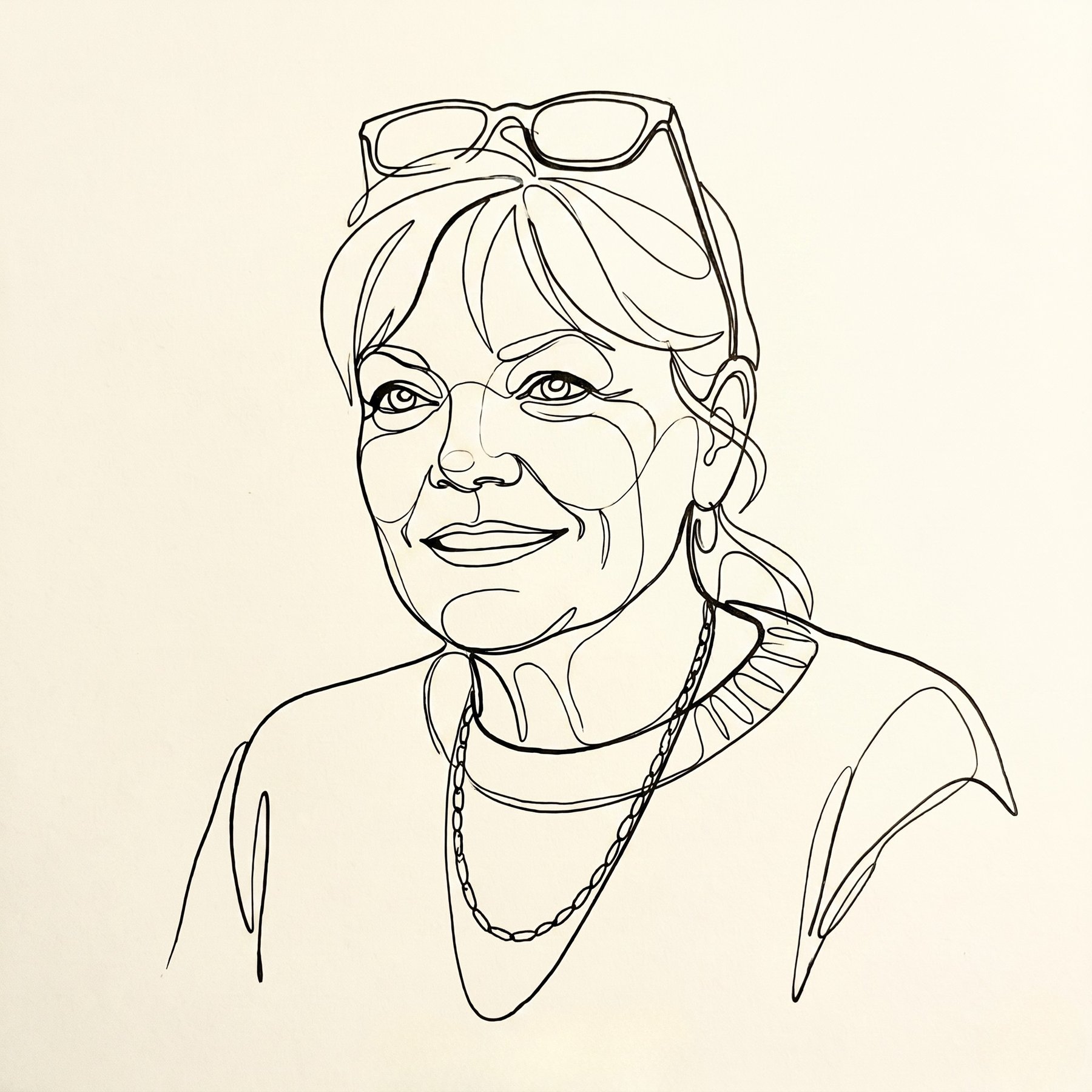
I was hungry, angry, lonely, and tired — all four. The rule is the rule. So I went home, to the apartment I'd been to twenty times in two years.
What followed wasn't a goal of mine. It caught up with me anyway. Quality, not quantity. Boundaries surfaced. Feelings ran wild. My network of support got smaller, and more meticulous, and not one-sided.
Today there are counsellors and journals and a daytimer, and a to-do list that sometimes carries into next week. I do the best I can. I'm available — for others, and for myself.
I built this program for the people I keep meeting in the same waiting rooms and the same hours of the night. If you're reading this, you're in the right spot. Stay with it. You're so worth it.
Not a 12-step group. Not therapy. Eight conversations, built on lived experience, structured around the parts of recovery that almost nobody teaches you out loud.
Eight Monday evenings, two hours each. Long enough to build something. Short enough that you can see the finish line from the start. We close the cohort the way we opened it — small, plainly, on time.
Cohorts are capped at eight on purpose. You'll know every name. You'll know whose week was hard. Nobody hides in the back — not by design, but because there is no back to hide in.
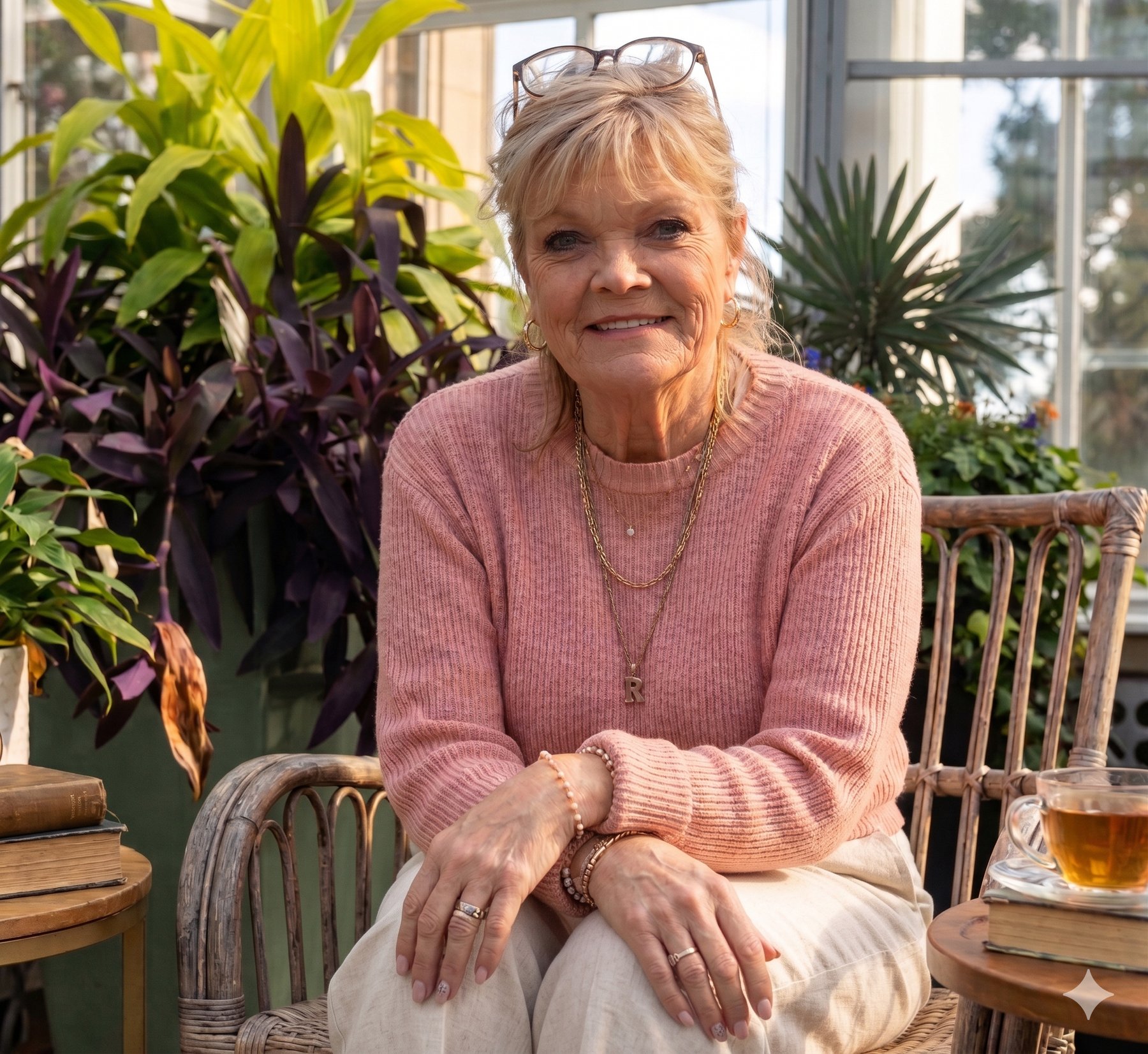
Debra has been where you are. She has the language, the timing, and the receipts. The vocabulary is the curriculum — and she facilitates every cohort herself, every Monday, all eight weeks.
The arc of the program, laid out plainly. Every week stands on its own and builds on the last. Sessions are conversation, not lecture. Reading is optional and short.
A small private language, earned the hard way. Two of them, set in type, so you know what to expect on week two.
"I was all the above. So I went home." — Debra, in her own words
"This was not my goal by any chance. It caught up with me anyway." — Debra, in her own words
It's better to know now. We'd rather you find the right room than the closest one — and we'd rather say so plainly.
If you don't believe in yourself yet — we'll believe in you until you do.
Not as a concept, but as a Monday and a Tuesday and a Wednesday — the work of staying sober, written in her own handwriting.
Debra has lived recovery from the inside out — not as a concept, but as a Monday and a Tuesday and a Wednesday.
For years she worked frontline harm reduction, assembling and distributing Naloxone kits, on the call when calls came in. She found her way back to a routine through her work with St. Stephen's Community House in Toronto, where she still is today — breakfast, lunch, sleep, a daytimer, a journal, a phone you answer when it rings.
She built Chances. Choices. Changes. for the people she keeps meeting along the way: adults who are sober or sincerely trying to be, who want honest conversation in a small room, finite in length, plain in language. She facilitates every cohort herself.
Live on Zoom, cameras encouraged. Cohorts form on a rolling basis — apply now and we'll match you with the next one.
If yours isn't here, call (289) 207-2617 or write to debra@cccrecovery.ca. Debra answers herself.
No, but you do need to be sincerely on the way. The cohort isn't a substitute for medical detox or acute crisis support — if you're in either of those places, please call a clinician first and come find us when you're ready. Most participants have between three weeks and three years of continuous sobriety when they begin.
No. It's a complement, not a replacement. Some people in the room also work the steps. Some don't. Some have a therapist. Some don't. We don't ask, and we don't compare. What we do offer is a finite, plain-spoken room you can attend in addition to whatever else is keeping you upright.
Yes. Call (289) 207-2617 or email debra@cccrecovery.ca and Debra will get back to you. A first conversation is exactly what it sounds like — a phone call, no pressure, no script, and no obligation either way.
Life happens. We expect that you'll miss one — most people do. We don't record sessions, but Debra will check in by phone the next day and bring you forward into the following week. Missing two is a conversation; missing three means we'll move you to a later cohort, with no money lost.
What's said in the room stays in the room. We say it on week one and we mean it. No recordings. No transcripts. No screenshots. Debra is bound by the same agreement everyone else is.
Sessions are on Zoom — cameras encouraged but not required. If you'd prefer in-person and you're in Toronto, mention it on the application. We're exploring local cohorts and will tell you first when seats open.
Sliding scale is available on request, with no questions asked beyond what you can pay. Recovery has never been about whoever can pay the most. Just say so on the application — there is a line for it — and we'll work it out.
Cohorts form on a rolling basis as applications come in. When eight people are matched, we set a Monday and begin. Most applicants are matched within four to six weeks. If timing matters to you, say so on your application and Debra will work with you.
Tell us a little about where you are. We'll write back within two business days with next steps, or a phone call. Cohorts are forming on a rolling basis.
Thank you. Your application is in.
Debra reads every one herself, usually within two business days. Watch for a note from debra@cccrecovery.ca — and in the meantime, you're right where you're supposed to be.